New Year and Deer Silhouette: A Comprehensive Guide for Digital Crafting Projects
The transition from the old year to the new is often marked by a desire for fresh starts, and few visual motifs capture this sentiment as effectively as the New Year and Deer Silhouette. This specific graphic design combines the elegance of nature with the celebratory spirit of the holiday season. For digital crafters, this image is not merely a picture; it is a versatile asset designed to bridge the gap between digital creativity and physical reality. Whether you are preparing a unique gift, updating home decor, or managing a print-on-demand business, understanding the nuances of this file format is essential for achieving professional results.
Distinguishing Features of the New Year and Deer Silhouette
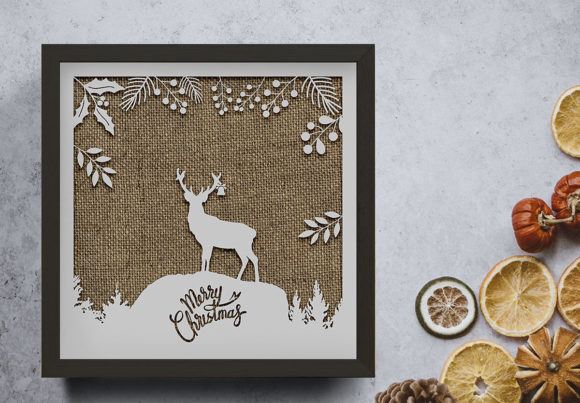
What makes the New Year and Deer Silhouette distinct from standard clip art is its structural integrity and scalability. Unlike raster images that become pixelated when enlarged, this design is available in vector formats including DXF, CDR, and EPS. These formats ensure that the lines remain crisp regardless of the size at which they are printed or cut. The silhouette style itself offers a modern, minimalist aesthetic that fits seamlessly into contemporary interior design trends. It strips away unnecessary details like fur texture or facial features, focusing instead on the graceful outline of the animal against a festive backdrop.
This approach allows the design to serve multiple functions. On one hand, it acts as a striking wall decal that adds depth without overwhelming a space. On the other, it serves as an intricate template for cutting machines. The balance between negative space and solid shape is crucial here. The design is optimized to work well on various substrates, from the smooth surface of glass tiles to the textured grain of decorative wood. By choosing this specific graphic, creators gain the flexibility to adapt a single digital asset into dozens of different physical products.
Comparing File Formats and Cutting Capabilities
When evaluating resources for DIY projects, the file format often dictates the potential outcome. The inclusion of JPG, DXF, CDR, and EPS files in the package addresses the diverse needs of different hardware ecosystems. Each format brings specific advantages depending on the software and machine being used.
- JPG Files: While included for preview purposes or direct printing, these are raster-based. They are best suited for simple printing onto canvas or paper where cutting precision is less critical than visual fidelity.
- DXF and CDR Files: These are native formats for many vector editing programs and are highly compatible with major cutting machines. The DXF format, in particular, is widely recognized across platforms like Silhouette Studio and Cricut Design Space, making it a robust choice for users who need reliable import capabilities.
- EPS Files: As a universal vector standard, EPS ensures high-quality scaling. This is particularly beneficial for large-scale applications, such as wall signs or outdoor decorations, where detail must be preserved even when the image is significantly magnified.
The variety of these files allows you to use them for different types of cut machines, ensuring compatibility whether you own a Silhouette Cameo, Portrait, Cricut Maker Explore, or Brother machine. However, the user must consider the specifics of the file before downloading. Not all designs are created equal in terms of complexity, and the New Year and Deer Silhouette presents specific considerations regarding its level of detail.
Assessing Suitability: Die Cutting vs. Large Format Decals
A critical factor in deciding whether to use this design is the intended manufacturing method. The prompt notes that small details make certain files unsuitable for die-cutting projects. This is a vital distinction for anyone looking to mass-produce items or create intricate cutouts with very fine internal elements. Die cutting requires materials to hold together under significant pressure and speed; if the design contains tiny, isolated islands of material (small pieces of deer antler or grass), they may fall out during the cutting process or fail to adhere properly.
Consequently, files with many details are best suitable for larger items like wall signs, wall decals, or furniture accents. In these scenarios, the cutting machine operates at a slower pace, allowing for greater precision. The New Year and Deer Silhouette excels in this environment. When applied to a large canvas or a wooden door, the fine lines of the silhouette add sophistication without risking structural failure. The tradeoff is clear: while this design might be risky for small, intricate keychains or delicate jewelry tags via die cutting, it is ideal for statement pieces where the scale enhances the visual impact.
Material Considerations and Application Methods
The versatility of the New Year and Deer Silhouette extends beyond the cutting machine itself to the materials used. Because the design is color-editable, creators can match the silhouette to any theme. For instance, a gold foil application on black cardstock creates a luxurious feel for New Year's Eve invitations. Alternatively, white vinyl cut from the vector file looks clean and modern on dark painted furniture.
When applying the design to glass or tiles, the lack of internal shading in a silhouette is advantageous. Solid shapes cut from adhesive vinyl adhere better to smooth, non-porous surfaces than complex gradients or shaded areas would. Similarly, for POD (Print-on-Demand) services, the vector nature of the file ensures that the final product—whether it is a mug, a tote bag, or a poster—remains sharp. The ability to scale without quality loss means a designer can prepare a single file for both a small sticker and a large banner, streamlining the production workflow.
Weighing Alternatives and Decision Factors
For those exploring alternatives to the New Year and Deer Silhouette, several paths exist. One might choose a fully rendered illustration with detailed textures. While visually rich, these images are often harder to cut because they require the machine to cut through varying densities of ink or material, leading to potential misalignment or tearing. Another alternative is a basic geometric shape. While easier to cut, these lack the artistic charm and seasonal recognition that the deer motif provides.
Choosing the right option depends on the project goals. If the priority is speed and simplicity for a quick party decoration, a simpler design might suffice. However, if the goal is to create a lasting piece of decor or a high-quality commercial product, the investment in a detailed vector file like the New Year and Deer Silhouette pays off. The decision should also factor in the user's technical proficiency. Users familiar with vector editing software will find the editable colors and scalable nature of the DXF and EPS files empowering, whereas beginners might prefer the straightforward nature of the provided JPGs for immediate printing.
Practical Use Cases and Limitations
To visualize the practical application, consider a homeowner wanting to update their entryway. Using the New Year and Deer Silhouette on a decorative wood plank allows for a rustic yet elegant look. The user cuts the design in white vinyl, applies it to the wood, and seals it with a protective coat. The result is a durable, weather-resistant sign that welcomes guests. In contrast, attempting to use the same design for a die-cut metal tag for a gift box might result in broken pieces due to the fine details mentioned earlier.
Similarly, for POD entrepreneurs, this graphic offers a low-risk entry into the seasonal market. Since the file is editable, the creator can test different color combinations to see what resonates with their audience without needing to purchase new assets. The limitation remains the same: avoid using this for extremely small items where the resolution of the cut path cannot be maintained. By respecting the boundaries of the design's complexity, users can maximize its utility across a wide range of crafting and commercial endeavors.
In summary, the New Year and Deer Silhouette stands out as a robust tool for digital-to-physical transformation. Its strength lies in the combination of seasonal relevance, vector scalability, and compatibility with major cutting machinery. While it requires careful consideration regarding die-cutting limitations, its value for wall art, furniture customization, and print-on-demand services is undeniable. By understanding the strengths and tradeoffs of this specific graphic, crafters can make informed decisions that lead to higher quality outcomes and more satisfying creative projects.