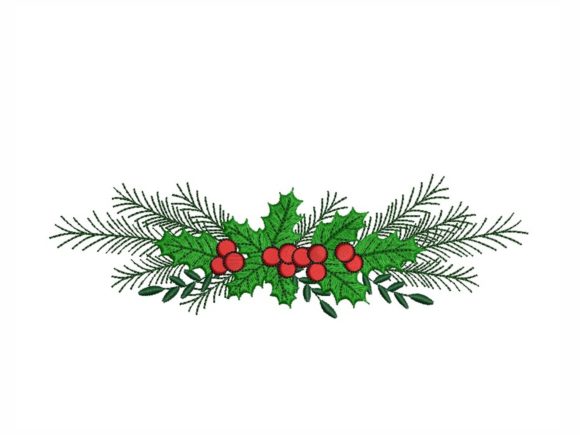
The Allure of Christmas Holly in Machine Embroidery: A Practical Guide to Festive Design
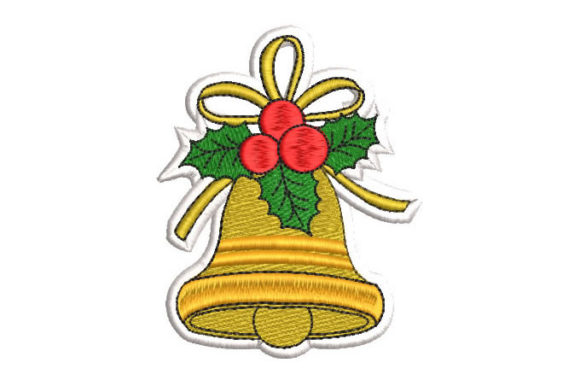
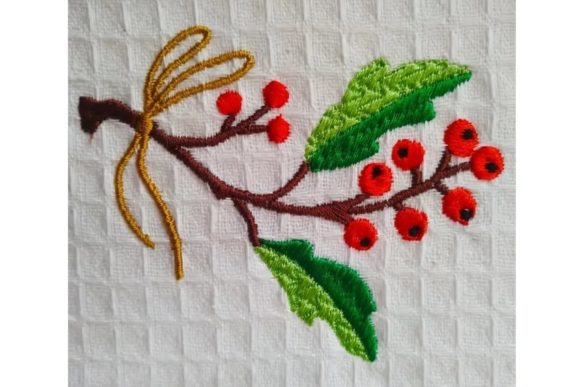
Christmas holly is more than just a botanical staple; it represents a timeless symbol of winter resilience and holiday cheer. When translated into the medium of machine embroidery, this iconic motif transforms from a simple plant observation into a versatile decorative element that anchors festive projects. The specific Christmas Holly and Holly embroidery design currently gaining attention offers a fresh and festive interpretation, capturing the sharp contrast between deep green leaves and vibrant red berries with remarkable clarity. For crafters and home decorators aged 20 to 50, understanding the nuances of this design is essential for selecting the right tool for seasonal customization.
Defining the Distinct Characteristics of Christmas Holly Designs
What sets the Christmas holly apart from other floral or foliage motifs in embroidery is its inherent structural geometry. Unlike soft, flowing flowers such as roses or peonies, holly features distinct, spiky leaves and clustered, round berries. This geometric complexity presents both an opportunity and a challenge for digital embroidery files. A high-quality design must balance the sharp angles of the leaves with the density required to make the berries pop without causing fabric puckering.
This particular design excels by utilizing a balanced stitch distribution that mimics the natural texture of waxy holly leaves while maintaining the crisp definition needed for the berry clusters. It is not merely a static image but a dynamic arrangement that allows for creative placement on various textiles. The "fresh and festive" quality mentioned in product descriptions stems from the color palette typically employed—rich emerald greens against bright scarlet reds—which creates an immediate visual association with the holiday season without relying on cliché imagery like Santa or reindeer.
Comparing Holly to Alternative Motifs
When evaluating embroidery options, many creators find themselves choosing between traditional holly designs and other winter-themed patterns. To make an informed decision, one must compare the holly motif against alternatives such as pine branches, snowflakes, or generic floral wreaths.
- Holly vs. Pine Branches: Pine branch designs often rely heavily on long, sweeping stitches to mimic needles. While effective, they can sometimes lack the focal point that the bright red berries of a holly design provide. If your project requires a clear center of interest, such as a pillow sham or a table runner centerpiece, the holly design offers superior visual anchoring compared to the linear flow of pine.
- Holly vs. Snowflakes: Snowflake designs are intricate and delicate, often requiring finer thread weights and smaller hoop sizes. They excel in creating a wintry atmosphere but can appear too fragile for heavy-duty items like towels or jumpers. The holly design, with its robust leaf structures, holds up better on thicker fabrics where a delicate snowflake might get lost or distort.
- Holly vs. Generic Florals: Standard floral patterns lack the specific cultural resonance of holly during December. While beautiful year-round, they do not convey the same immediate festive message. The holly design bridges the gap between elegance and seasonal specificity, making it a smarter choice for holiday-specific decor.
Evaluating Versatility Across Textile Applications
The true value of this machine embroidery design lies in its adaptability. One of the primary considerations for buyers is whether a single design file will serve multiple purposes across different household items. The answer, in this case, is a resounding yes, provided the user understands the relationship between stitch count, fabric type, and intended use.
Home Decor: Pillows, Tablecloths, and Bedsheets
For home decor enthusiasts, the holly design shines when applied to decorative pillows, tablecloths, and bedsheets. These items often utilize cotton blends or linen, which provide a stable canvas for the dense stitching required by the berry clusters. On a tablecloth, the design can be used to create a repeating border or a central medallion. The spiky nature of the leaves adds a textural dimension that flat prints cannot replicate, elevating the perceived value of the item.
However, there is a tradeoff regarding scale. On large surfaces like king-sized bedsheets, a single small holly motif may look isolated. In these scenarios, users should consider if the design file supports scaling without losing resolution. Most modern multi-format files allow for resizing, but users must ensure that the stitch density remains appropriate; enlarging a design too much can result in loose threads that snag easily.
Apparel: Towels and Christmas Jumpers
Extending the design to functional apparel and accessories requires a different approach. Stitching holly on towels involves using terry cloth, which has a looped pile. The embroidery machine must penetrate these loops effectively without distorting the towel's absorbency. Here, the holly design's strength lies in its ability to stand out against the textured background of the towel.
Similarly, for Christmas jumpers (sweaters), the design must account for the stretchiness of knitwear. A rigid design might cause the sweater to pucker around the collar or cuffs. The "fresh and festive" version of this design likely utilizes a stabilizer-friendly stitch pattern that accommodates slight fabric movement. This makes it a practical choice for DIY gift-giving, allowing individuals to personalize store-bought jumpers with a professional finish that mass-produced items often lack.
Technical Considerations: Formats and Machine Compatibility
A critical factor in the decision-making process for any embroidery enthusiast is technical compatibility. The prompt mentions that this design comes with multiple file formats compatible with various machines. This feature is a significant advantage for users who own different brands of embroidery hardware, ranging from domestic sewing machines with embroidery attachments to commercial-grade units.
Understanding File Formats: Different manufacturers use proprietary file extensions (such .PES for Brother, .DST for Tajima, .EXP for Melco, etc.). A design available in multiple formats eliminates the need for costly conversion software or third-party services. It ensures that a user with a mid-range home machine can access the same high-quality design as someone with industrial equipment.
Stitch Count and Density: Regardless of the format, the underlying stitch data is what matters. When comparing this holly design to others, check the stitch count. A design that is too dense may require excessive hooping pressure, risking damage to delicate fabrics. Conversely, a design that is too sparse may look unfinished on dark fabrics where the backing shows through. The ideal balance found in this specific design suggests it has been optimized for standard weight fabrics, making it a safe bet for beginners and experts alike.
Weighing Strengths Against Limitations
No single embroidery solution fits every scenario perfectly. To provide a balanced view, it is necessary to examine the limitations of the Christmas holly design alongside its strengths.
Strengths
- Seasonal Relevance: It immediately signals the holiday season, making it ideal for gifts and temporary decorations.
- Color Contrast: The natural color scheme works well with a wide range of fabric backgrounds, particularly whites, creams, and dark blues.
- Multi-Format Availability: Reduces technical barriers and increases accessibility for diverse users.
- Texture: The design adds physical depth to flat textiles, enhancing tactile appeal.
Limitations and Tradeoffs
The primary limitation of any holly design is its rigidity. Because the leaves are naturally spiky, the design does not lend itself well to fluid, organic draping on very thin silks or chiffons unless specialized stabilizers are used. Additionally, the red berries can sometimes blend into dark red or burgundy fabrics, reducing visibility. In such cases, users might need to opt for a design with gold or silver accents instead.
Another consideration is the time investment. Embroidering complex berry clusters takes longer than simple monograms or basic shapes. For those looking to produce high volumes of items quickly, this design might be slower than simpler alternatives. However, for the hobbyist or the creator of limited-edition handmade goods, the extra time translates directly into higher perceived quality.
Making the Right Choice for Your Project
Deciding whether to invest in this specific Christmas holly embroidery design depends largely on the intended outcome. If you are looking to add a touch of classic elegance to your holiday table setting or want to create personalized gifts that feel handcrafted and thoughtful, this design is an excellent fit. Its versatility across pillows, linens, and apparel makes it a cost-effective addition to your digital library.
Conversely, if your goal is purely utilitarian—for example, labeling work uniforms or creating simple children's clothing where durability and speed are paramount—you might find a simpler, less detailed motif more suitable. Similarly, if you are working exclusively with very delicate, sheer fabrics, you may need to test the design on a scrap piece first to ensure the holly leaves do not tear the material.
In conclusion, the Christmas holly design represents a sweet spot in the world of machine embroidery. It balances aesthetic appeal with technical feasibility, offering a festive yet sophisticated option for a wide array of textile projects. By understanding its unique characteristics, comparing it to other motifs, and recognizing its technical requirements, creators can confidently integrate this design into their holiday crafting routines. Whether you are a seasoned embroiderer or a beginner exploring your first festive project, the holly design provides a reliable foundation for creating memorable, personalized holiday treasures.