Bridging the Gap Between Craft and Commerce: The Strategic Value of Harvest Time
In an era where digital communication is dominated by sleek, minimalist sans-serif typefaces and rigid grid systems, there is a distinct and growing desire for warmth. Professionals, creators, and entrepreneurs are increasingly recognizing that efficiency does not have to come at the cost of personality. This shift in consumer behavior and creative expectation has paved the way for fonts that do more than just convey information; they convey emotion. Enter Harvest Time, a playful and creative decorative font that stands out as a prime example of how typography can elevate the look of any creation while maintaining professional integrity.
The rise of Harvest Time is not merely a fleeting design trend but a reflection of a broader cultural movement toward authenticity. In a market saturated with AI-generated content and standardized templates, brands and individuals are seeking ways to differentiate themselves through tactile, human-centric design elements. This article explores why this specific typeface is gaining traction among marketers and freelancers, how it aligns with evolving workflows, and the practical applications that make it an essential tool in the modern creative arsenal.
Understanding the Aesthetic: More Than Just a Font
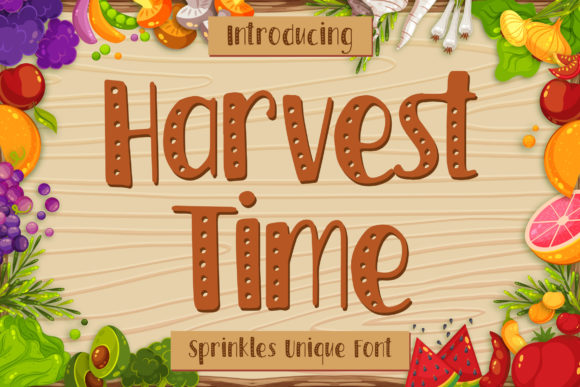
To understand the utility of Harvest Time, one must first look beyond its visual characteristics. While it is undeniably a decorative font, its classification as "playful" often leads to misconceptions about its versatility. However, a closer inspection reveals a sophisticated balance between whimsy and structure. The font features friendly characters and a neat, crafty style that mimics the imperfections of hand-lettering without sacrificing legibility.
This duality is crucial for modern designers. Historically, decorative fonts were relegated to children's books or seasonal greeting cards. Today, the definition of "decorative" has expanded to include fonts that add texture and narrative depth to corporate branding, social media campaigns, and product packaging. Harvest Time embodies this evolution. Its neat, crafty style suggests a handmade quality, which resonates deeply with consumers who value artisanal craftsmanship over mass-produced uniformity.
The character set of Harvest Time is designed to be approachable. Unlike some decorative fonts that rely on extreme stylization to the point of unreadability, this typeface maintains a clear structure. This makes it an ideal candidate for headlines, logos, and short-form copy where attention-grabbing visuals are required, yet clarity remains paramount. It serves as a bridge between the cold precision of digital interfaces and the warm embrace of traditional print media.
Aligning with the Human-Centric Design Movement
The current landscape of digital design is witnessing a significant pivot toward "human-centric" aesthetics. As automation and artificial intelligence take over routine tasks, the value of human touch increases. Consumers are subconsciously looking for signs that a real person created the content they are consuming. Harvest Time answers this call by introducing organic curves and varied stroke widths that mimic the natural rhythm of handwriting.
This alignment is particularly relevant for industries such as lifestyle, food and beverage, education, and small business services. For instance, a local bakery using Harvest Time for its menu board instantly communicates freshness and care. Similarly, a freelance consultant using this font in their proposal headers can signal creativity and a personalized approach to client work. The font acts as a non-verbal cue, telling the audience that the brand values connection over transaction.
Strategic Applications in Modern Workflows
For professionals and entrepreneurs, adopting Harvest Time is not just an aesthetic choice; it is a strategic decision that impacts workflow efficiency and brand consistency. The ability to quickly inject personality into a project without extensive graphic design resources is a valuable asset in today's fast-paced environment.
- Social Media Content Creation: In the crowded space of social media, engagement often hinges on stopping the scroll. Harvest Time offers a unique visual hook for Instagram captions, TikTok overlays, and Pinterest pins. Its friendly characters create an immediate emotional connection, encouraging users to pause and read further.
- Email Marketing and Newsletters: Email open rates are influenced heavily by subject lines and pre-header text. Using Harvest Time for newsletter headers or promotional banners can increase click-through rates by making the message feel less like a corporate broadcast and more like a personal note from a friend.
- Product Packaging and Merchandise: For entrepreneurs launching physical products, packaging is a critical touchpoint. A neat, crafty style like that found in Harvest Time can transform generic packaging into a premium experience, enhancing perceived value without increasing production costs significantly.
The versatility of this font allows it to integrate seamlessly into various design ecosystems. Whether used in vector-based software for large-scale print runs or within web design tools for responsive layouts, Harvest Time adapts to the medium while retaining its core identity. This adaptability reduces the friction often associated with integrating custom typography into existing brand guidelines.
Enhancing Brand Narratives Through Typography
Typography is often referred to as the voice of a brand. When a brand speaks with a harsh, angular font, it conveys authority and rigidity. Conversely, when a brand uses Harvest Time, it speaks with a voice that is inviting, community-focused, and grounded. This is particularly powerful for businesses that want to build long-term relationships with their customer base.
Consider the trend of "cozy marketing," where brands leverage feelings of comfort and nostalgia to connect with audiences. Harvest Time fits perfectly into this narrative. Its harvest-inspired name and crafty aesthetic evoke images of abundance, community gatherings, and shared experiences. By incorporating this font into their visual identity, companies can tap into these positive associations, fostering a sense of belonging among their customers.
The Future of Creative Expression
As we look toward the future of design and technology, the role of expressive typography will only grow. With the proliferation of mobile devices and the increasing importance of micro-interactions, the need for fonts that communicate effectively at small scales while offering rich detail is higher than ever. Harvest Time is positioned to thrive in this environment because it balances readability with artistic flair.
Furthermore, the demand for diverse and inclusive design languages is reshaping the industry. Traditional, monolithic typefaces often fail to represent the diversity of the global audience. Fonts like Harvest Time, with their friendly and accessible nature, help democratize design, making high-quality aesthetics available to creators who may not have access to expensive design studios. This accessibility empowers freelancers and solo entrepreneurs to compete with larger corporations on a level playing field.
The integration of Harvest Time into digital workflows also reflects a broader shift in how we consume content. We are moving away from passive consumption toward active engagement. Users want to interact with content that feels alive and dynamic. A static, sterile font cannot achieve this level of engagement, but a playful, creative decorative font can spark curiosity and encourage interaction.
Practical Considerations for Implementation
While the benefits of using Harvest Time are clear, successful implementation requires a thoughtful approach. Designers and marketers should consider the context in which the font is used. Overuse can dilute its impact, so it is best employed strategically as a focal point rather than a body text solution.
- Mix with Complementary Typefaces: Pair Harvest Time with clean, neutral sans-serif fonts for body text. This contrast ensures that the playful nature of the header does not compromise the readability of the main content.
- Respect the Hierarchy: Use the font primarily for titles, logos, and key calls to action. Let the "friendly characters" serve as the hook that draws the eye, while simpler typography guides the reader through the details.
- Test Across Devices: Ensure that the rendering of Harvest Time remains crisp and legible across different screen sizes and resolutions. The neat, crafty style should not degrade into pixelation on smaller mobile displays.
By adhering to these guidelines, professionals can harness the full potential of this unique typeface. The goal is to create a cohesive visual language that respects the viewer's time while delivering a memorable brand experience.
Conclusion: Embracing the Craft in a Digital World
The emergence of Harvest Time represents more than just a new addition to a font library; it signifies a shift in how we perceive the role of design in our daily lives. In a world that is becoming increasingly digitized and automated, the desire for something tangible, warm, and human-made is stronger than ever. Harvest Time, with its playful and creative decorative style, offers a solution that meets this demand head-on.
For professionals, creators, and entrepreneurs, adopting this font is an investment in building deeper connections with their audience. It allows them to stand out in a crowded marketplace, communicate with warmth and authenticity, and elevate the look of any creation. As we continue to navigate the complexities of modern business and technology, tools like Harvest Time remind us that the most effective designs are those that speak directly to the heart of the human experience.
Whether you are rebranding a startup, designing a campaign for a local nonprofit, or simply looking to add a touch of personality to your next project, Harvest Time provides the perfect canvas. It invites you to explore the intersection of craft and commerce, proving that even in the digital age, there is still room for the charm of the harvest moon and the joy of the handmade.