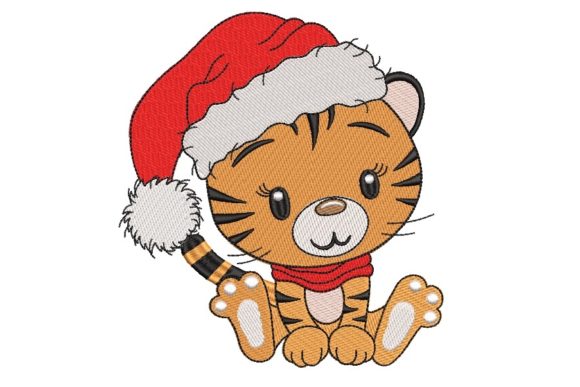
Christmas Tiger Embroidery Design: A Comprehensive Evaluation
The intersection of traditional holiday aesthetics and modern machine embroidery has created a unique niche for seasonal designs. Among the various motifs available, the Christmas Tiger has emerged as a distinctive option for crafters and sewists looking to add character to their festive projects. This design features an adorable tiger motif integrated with Christmas elements, offering a fresh alternative to the ubiquitous reindeer or snowman patterns found in most libraries.
This article provides an objective evaluation of the Christmas Tiger embroidery design. It explores the practical applications, technical specifications, and decision-making factors involved in selecting this specific digital pattern. The goal is to help readers determine if this design aligns with their crafting goals and equipment capabilities.
Understanding the Christmas Tiger Design
A Christmas Tiger refers specifically to a digital embroidery file that depicts a tiger adorned with holiday themes. Unlike standard wildlife illustrations, this design typically incorporates festive accessories such as Santa hats, scarves, wreaths, or surrounding ornaments. The aesthetic is generally whimsical and charming, designed to appeal to those who enjoy a blend of nature-inspired imagery with seasonal cheer.
The design is not merely a static image but a set of coded instructions compatible with computerized embroidery machines. These files dictate stitch types, colors, and sequences to reproduce the artwork on fabric. The "adorable" quality mentioned in product descriptions usually stems from the stylization of the animal's features—often rounded eyes and soft expressions—which makes the design suitable for a wide range of recipients, from children to adults.
Primary Applications and Versatility
One of the strongest arguments for using the Christmas Tiger design is its versatility across various textile mediums. Because the design is scalable within the limits of the embroidery hoop size, it can be adapted for both large surface areas and small, detailed items.
- Table Linens: Stitching the design onto tablecloths or napkins creates a focal point for holiday dining. The contrast between the bold tiger graphic and traditional red or green fabrics can create a memorable centerpiece.
- Apparel: The design is particularly effective on Christmas jumpers (sweaters) and aprons. For jumpers, the tiger adds a playful element that stands out against knit textures. On aprons, it serves as a cheerful accent for kitchen activities during the holidays.
- Home Decor: Decorative pillows are a common use case. The design allows users to transform plain throw pillows into custom holiday accents without the cost of purchasing pre-made merchandise.
- Gift Giving: Personalized gifts often carry more value than mass-produced items. Creating gifts for friends and family using this design demonstrates effort and personalization, which is highly valued during the holiday season.
Technical Considerations and File Formats
Before purchasing or downloading a Christmas Tiger design, it is essential to evaluate the technical requirements. The primary advantage cited for these designs is compatibility with multiple embroidery machines. Manufacturers often bundle the design in several file formats, such as .DST, .PES, .JEF, .EXP, and .VP3.
Format Compatibility: Each embroidery machine brand requires a specific file format. A universal package ensures that whether you own a Brother, Janome, Bernina, or Tajima machine, the design can be utilized immediately after conversion or direct loading. However, users must verify that their machine's firmware supports the specific version of the format provided.
Stitch Density and Hoop Size: When evaluating the design, consider the stitch density. High-density designs may require stabilizers to prevent fabric puckering, especially on stretchy materials like jersey used for jumpers. Additionally, the physical dimensions of the design must fit within the embroidery area of your machine's hoop. If the design is too large for your current hoop, you may need to purchase additional hoops or split the design, which can affect the final appearance.
Benefits of Choosing This Design
There are several compelling reasons to select a Christmas Tiger design over other options. First, it offers uniqueness. While many households feature traditional Christmas symbols, a tiger motif is less common, providing a conversation starter. Second, the design appeals to a broad demographic. It bridges the gap between animal lovers and holiday enthusiasts, making it an excellent choice for families with young children or pet owners.
Furthermore, the ability to produce these items at home offers significant cost savings compared to buying handmade or boutique embroidered goods. By utilizing existing fabric scraps or affordable base materials, crafters can create high-quality, professional-looking items for a fraction of the retail price.
Potential Tradeoffs and Limitations
Despite its benefits, there are tradeoffs to consider. The complexity of the design can impact the production time. Intricate details, such as the texture of the tiger's fur or the folds of a scarf, require more stitches, which translates to longer run times on the machine. This can be a limiting factor for those trying to complete large batches of gifts quickly.
Another consideration is the fabric choice. Not all fabrics are suitable for embroidery. Very thin fabrics may tear under the tension of the stitches, while very thick fabrics like heavy wool may not accommodate the needle penetration required for dense designs. Users must also account for the shrinkage of natural fibers; failing to pre-wash fabric can result in a distorted design after the first wash.
Situational Fit and Alternatives
The Christmas Tiger design is a strong fit for individuals who have access to a multi-needle or single-needle embroidery machine and possess intermediate skills in stabilizing and hooping fabric. It is ideal for hobbyists looking to expand their library beyond standard holiday icons.
However, alternatives may be worth considering depending on specific needs. If the user requires a design that is extremely simple and quick to stitch, a simpler geometric Christmas pattern might be more appropriate. Conversely, if the goal is to create a large-scale quilt block, a larger, more complex scene might be necessary, though this would require a different setup than the standard Christmas Tiger design.
For those without embroidery machines, the design remains useful only if they utilize a local service bureau or a friend with equipment. In such cases, the cost of outsourcing may negate the savings of digital ownership, making ready-made embroidered items a more practical choice.
Decision-Making Insights
To determine if the Christmas Tiger design aligns with your goals, ask the following questions:
- Do I have the correct hardware? Ensure your machine supports the file formats included in the package.
- What is my target audience? If the recipient loves tigers or unique animals, this design is a high-value choice.
- Am I prepared for the technical steps? Are you comfortable selecting the right stabilizer and adjusting thread tension for the chosen fabric?
- Is the scale appropriate? Does the design size match the intended item, such as a chest pocket versus a full back panel?
In conclusion, the Christmas Tiger embroidery design represents a versatile and engaging option for holiday crafting. Its ability to complement various fabrics, from tablecloths to jumpers, makes it a valuable addition to any digital collection. By understanding the technical requirements and potential limitations, users can effectively leverage this design to create meaningful, personalized holiday gifts.
Whether used for personal enjoyment or as a component of a gift-giving strategy, this design offers a balance of creativity and practicality. For those willing to invest the time in proper setup and execution, the result is a festive piece that stands apart from conventional holiday decor.