Unlocking Creative Potential with Block Space: A Practical Guide to Modern Typography
In the fast-paced world of digital design and print media, finding a typeface that balances bold structural integrity with artistic flair is often a challenge. Designers frequently struggle to find fonts that can command attention without sacrificing readability or requiring complex software setups. This is where Block Space emerges as a compelling solution. It is not merely another decorative font; it is a carefully crafted tool designed for professionals who need immediate impact and unique character in their work.
Whether you are creating a poster for a music festival, designing packaging for a craft beverage, or developing a bold headline for a landing page, the right typography can make or break a project. Block Space addresses the common pain points of limited glyph sets and difficult installation processes. By offering a PUA-encoded structure, it removes the technical barriers that often frustrate designers, allowing them to focus entirely on creativity and visual storytelling.
Understanding the Unique Value of Block Space
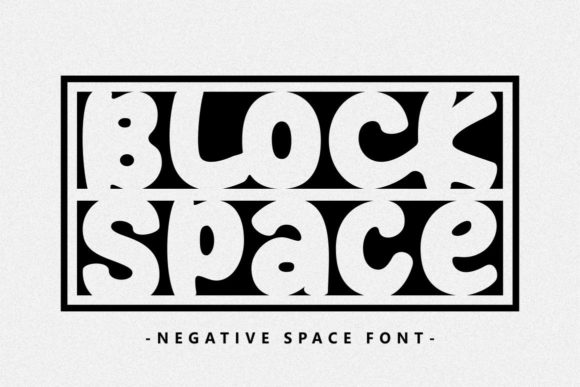
At its core, Block Space is a cool and interestingly designed decorative font that stands out in a sea of generic sans-serifs. Unlike standard typefaces that offer a predictable set of characters, this font is engineered to provide an expansive library of visual elements. The primary distinction lies in its encoding method. Being PUA (Private Use Area) encoded means that every single glyph, swash, and alternate character is accessible directly within your design software without needing external plugins or specialized font managers.
This accessibility is crucial for users who need to work efficiently. When a designer encounters a situation where they need a specific stylistic variation to match a brand's tone, they should not have to spend hours hunting for a workaround. With Block Space, the entire universe of the font's design potential is available at the touch of a key. This level of control transforms the font from a static asset into a dynamic instrument for expression.
Addressing Common Design Challenges
Many creative professionals face specific hurdles when selecting decorative fonts. The first challenge is often the lack of variety. Standard fonts may look good in their default state but fail to offer enough flexibility for custom layouts. The second challenge involves compatibility. Some elaborate fonts require specific versions of operating systems or expensive software suites to render correctly, limiting where and how they can be used.
Block Space solves these issues by prioritizing versatility. Because it is PUA encoded, the font integrates seamlessly into various workflows, from vector illustration programs to web design environments. This ensures that the intricate details of the design remain intact regardless of the output medium. For clients looking for a "cool" aesthetic that doesn't feel forced, this font provides the necessary tools to achieve a high-end look without the technical headaches.
Practical Applications for Diverse Projects
The utility of Block Space extends far beyond simple text display. Its robust design makes it suitable for a wide array of practical applications where visual hierarchy and style are paramount. Understanding how to leverage these features can significantly improve the outcome of any project.
- Event Branding and Posters: For concerts, art exhibitions, or community gatherings, the goal is to grab attention instantly. The blocky, structured nature of the font combined with its decorative swashes creates a sense of energy and movement. Designers can use the alternate glyphs to create custom lettering effects that mimic hand-painted signs while maintaining the consistency of a digital typeface.
- Packaging Design: In retail environments, products must stand out on crowded shelves. Block Space offers the weight and presence required to make product names pop. The ability to mix standard characters with ornamental swashes allows for sophisticated logo designs that convey quality and uniqueness without appearing cluttered.
- Social Media Graphics: Digital marketing relies heavily on shareable visuals. A post featuring a headline set in Block Space will naturally draw the eye in a scrolling feed. The font's distinct personality helps establish a brand voice that is confident and modern.
- Editorial and Magazine Layouts: Even in more traditional publications, there is a need for standout headlines. Using Block Space for pull quotes or section headers adds a layer of texture and interest that keeps readers engaged with the content.
Tailoring the Approach to User Needs
Different users approach typography with varying levels of expertise and specific goals. Recognizing these differences allows for better implementation strategies.
For the Novice Designer: If you are just starting out, the ease of access provided by the PUA encoding is a massive advantage. You do not need to learn complex OpenType feature codes or manage multiple font files. Simply select the text, access the glyph panel, and choose the style that fits your vision. Block Space simplifies the learning curve, allowing beginners to produce professional-looking results quickly.
For the Experienced Professional: Seasoned designers value precision and customization. For this group, the extensive range of swashes and alternates in Block Space is the main attraction. They can deconstruct words, replace specific letters with flourishes, and create entirely new typographic forms. The font acts as a toolkit, enabling the creation of bespoke logos and lettering that would otherwise take days to draft from scratch.
Maximizing Outcomes Through Strategic Implementation
To get the most out of Block Space, it is essential to move beyond simply pasting text onto a canvas. The true power of the font is unlocked through thoughtful composition and contrast. Since the font is inherently decorative, it works best when paired with simpler, cleaner body text. This creates a balanced hierarchy where the headline commands attention, and the supporting information remains legible.
When implementing this font, consider the spacing between characters. The blocky nature of the design benefits from generous tracking (letter-spacing), which enhances readability and gives the design a premium feel. Conversely, tightening the kerning can create a more compact, intense look suitable for tight spaces like business cards or app icons.
Another critical consideration is color. The intricate details of the swashes and glyphs in Block Space can be lost if the background is too busy or the color contrast is low. High-contrast color combinations, such as deep blacks against bright whites or vibrant accent colors against neutral backgrounds, allow the font's unique shapes to shine. Experimentation with textures and gradients can further enhance the three-dimensional feel of the letterforms.
Conclusion: A Versatile Tool for Modern Creativity
In an era where visual communication is more important than ever, having a reliable and versatile font library is essential. Block Space stands out as a resource that meets the needs of adults seeking practical answers to their design challenges. It combines the structural strength of a block font with the artistic freedom of a decorative typeface, all wrapped in a user-friendly PUA encoding system.
Whether you are solving the problem of a bland presentation, aiming to create a memorable brand identity, or simply looking for a way to add a touch of personality to your daily projects, Block Space offers a pathway to success. By understanding its capabilities and applying them strategically, you can elevate your work from functional to fantastic. The font is not just a collection of letters; it is a gateway to more engaging, effective, and beautiful design outcomes.