Strategic Typography Choices: Elevating Brand Identity with Petite Leaves Monogram
In the landscape of visual communication, typography is rarely just about legibility; it is a primary vehicle for emotional resonance and brand positioning. For entrepreneurs, designers, and creators seeking to differentiate their output in a saturated market, the selection of a typeface constitutes a critical strategic decision. Petite Leaves Monogram emerges not merely as a decorative element, but as a sophisticated tool for conveying intimacy, elegance, and exclusivity. This dainty and unique decorative font offers a distinct advantage for projects requiring a touch of romantic charm without sacrificing professional integrity.
When integrated thoughtfully into wedding invitations, love letters, or high-end branding materials, this font transforms standard text into an experience. The outcome is often astounding because it taps into the psychological power of design cues that signal care, attention to detail, and personal value. However, deploying such a specific aesthetic requires a clear understanding of its strengths, limitations, and optimal contexts. It is not a universal solution, but rather a targeted instrument for achieving specific communicative goals.
The Strategic Value of Distinctive Typography
Decision-makers often overlook the subtle influence of font choice on customer perception. While sans-serif fonts communicate efficiency and modernity, and serif fonts suggest tradition and reliability, decorative fonts like Petite Leaves Monogram serve a different function: they establish atmosphere. In a world where digital noise is constant, a design that feels handcrafted and organic stands out. This font introduces a sense of heritage and romance that can elevate a simple invitation card into a keepsake or turn a standard business letterhead into a statement of refined taste.
For small business owners and freelancers, the ability to create a memorable first impression is paramount. Using Petite Leaves Monogram strategically allows professionals to position themselves within a niche market that values aesthetics and personal connection. Whether you are a wedding planner curating packages for couples or a boutique publisher releasing a limited edition collection, the font acts as a visual anchor that reinforces your brand's promise of quality and uniqueness. It signals to the audience that the creator has invested time and effort into the details, which often translates to higher perceived value in the eyes of the consumer.
Enhancing Communication Through Visual Tone
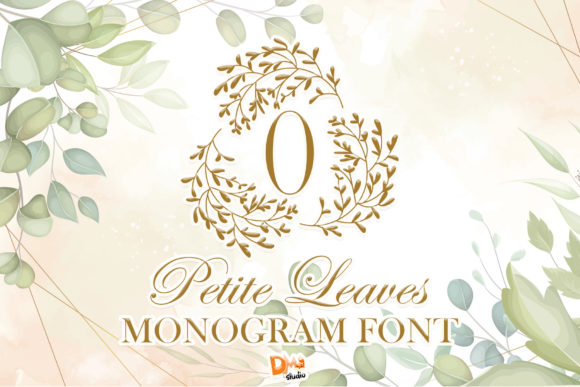
Communication is multifaceted, relying heavily on non-verbal cues. When you add this romantic and lovely looking font to each of your love letters or formal correspondence, you are altering the tone of the message before the recipient even reads the words. The intricate leaf motifs and monogram style evoke feelings of growth, nature, and delicate beauty. This makes it particularly effective for industries centered around relationships, lifestyle, and luxury goods.
Consider the scenario of a marketer launching a new product line for bridal accessories. A standard headline might inform, but a headline styled with Petite Leaves Monogram invites the viewer into a story. It suggests a narrative of celebration and joy. By aligning the visual language of the font with the emotional intent of the campaign, brands can achieve deeper engagement. The result is not just information transfer, but an emotional connection that drives action.
- Emotional Resonance: The font triggers positive associations with romance and tradition, fostering trust and affinity.
- Brand Differentiation: In a sea of generic templates, a unique typographic voice helps a brand stand out immediately.
- Perceived Quality: Intricate details imply craftsmanship, suggesting that the product or service behind the text is equally well-crafted.
Practical Applications for Creators and Professionals
To maximize the return on investment from using Petite Leaves Monogram, one must move beyond random application and adopt a structured approach. The goal is to use the font where it enhances the message, not where it distracts from it. Below are practical scenarios where this typeface delivers maximum impact.
- Wedding and Event Planning: This is the most intuitive use case. From save-the-date cards to ceremony programs, the font adds a layer of sophistication. It works exceptionally well for names, dates, and key headings, while body text should remain in a highly readable serif or sans-serif to ensure clarity.
- Luxury Packaging and Labels: For businesses selling artisanal foods, cosmetics, or jewelry, incorporating this font on tags or labels creates an unboxing experience that feels premium. It suggests that the contents are gifts worthy of special presentation.
- Personal Branding and Portfolios: Bloggers and content creators can use Petite Leaves Monogram for section headers or signature lines in newsletters. It adds a personal touch that humanizes the digital interface, making the reader feel more connected to the author.
- Romantic Marketing Campaigns: During holidays like Valentine's Day or anniversaries, using this font in email subject lines or social media graphics can increase open rates by signaling relevance and sentiment.
The key to success lies in balance. A common mistake among hobbyists and novices is overusing decorative elements until the design becomes cluttered. The strategy should be to let Petite Leaves Monogram shine in isolation. Use it for titles, logos, or short phrases where its details can be appreciated. Avoid using it for long paragraphs or technical data where readability is the priority.
Planning for Long-Term Brand Consistency
For entrepreneurs building a sustainable business, consistency is vital. If you decide to integrate Petite Leaves Monogram into your brand identity, it must become a consistent part of your visual vocabulary. This means defining clear guidelines on when and how it is used. Will it appear on all social media posts? Only on holiday promotions? Or exclusively on physical stationery?
Creating a style guide ensures that the font supports your long-term goals rather than confusing your audience. If the font is used sporadically without context, it may appear as a fleeting trend rather than a core component of your brand. By planning its usage, you reinforce the association between the font's elegant aesthetic and your business's reputation for excellence. This deliberate approach helps in building a cohesive brand image that customers can recognize and trust across various touchpoints.
Navigating Risks and Contextual Constraints
While the potential benefits are significant, relying on Petite Leaves Monogram without clear goals or context carries risks. The primary danger is the dilution of the message through misapplication. Decorative fonts have a strong personality; if applied to a serious corporate report, a medical brochure, or a tech startup pitch deck, the incongruity can undermine credibility. The font implies softness and romance, which may clash with themes of ruggedness, speed, or clinical precision.
Furthermore, accessibility is a critical consideration in modern web and print design. The intricate details of Petite Leaves Monogram can sometimes reduce legibility at smaller sizes or on lower-resolution screens. Decision-makers must prioritize user experience. If the font hinders the ability of a user to quickly scan information, it fails its primary function. Always pair it with a clean, neutral font for body copy to maintain readability while retaining the decorative flair for emphasis.
Another risk is the perception of being "dated." While vintage styles often enjoy a resurgence, there is a fine line between timeless elegance and outdated cliché. To avoid this, ensure that the surrounding design elements—such as color palette, layout, and imagery—are contemporary. This juxtaposition allows the classic feel of the font to complement modern sensibilities rather than conflict with them.
Making Intentional Design Decisions
The difference between a mediocre design and a masterful one often comes down to intentionality. Before adding Petite Leaves Monogram to a project, ask yourself: What emotion do I want to evoke? Who is my audience, and what do they expect? Does this font align with the core values of the brand or project?
If the answer points towards romance, elegance, and personal connection, then this font is likely the right choice. If the goal is to convey authority, neutrality, or speed, look elsewhere. The strategic use of typography is about choosing the right tool for the job. Just as a surgeon selects a scalpel over a hammer, a designer selects Petite Leaves Monogram for tasks requiring delicacy and grace.
By approaching font selection with this level of scrutiny, you ensure that every design element serves a purpose. You move away from arbitrary choices driven by trends and toward decisions grounded in strategy and user needs. This thoughtful approach leads to better results, whether that means higher conversion rates, stronger brand loyalty, or simply a more beautiful piece of work.
In conclusion, Petite Leaves Monogram is more than just a pretty font; it is a strategic asset for those who understand its power. Its dainty and unique character can transform ordinary communications into extraordinary experiences. Whether you are crafting a wedding invitation that will be cherished for generations or designing a marketing campaign that needs to cut through the noise, this font offers a pathway to astound your audience. The secret lies not in the font itself, but in the wisdom of how you wield it. Use it intentionally, respect its constraints, and let it amplify the true voice of your message.