Play Pin: A Versatile Decorative Font for Modern Creative Projects
In the crowded landscape of digital typography, finding a typeface that balances whimsy with professional polish is often a challenge. Play Pin emerges as a distinct option for designers and creators who need to inject personality without sacrificing readability. This decorative font stands out not merely for its aesthetic appeal, but for its functional versatility across a wide range of applications. Whether you are crafting physical greeting cards, designing marketing materials for a startup, or building a presentation deck, Play Pin offers a unique visual language that can elevate your work.
The primary strength of Play Pin lies in its ability to serve as a focal point. Unlike standard sans-serif or serif fonts that act as background support, this typeface commands attention. It features rounded terminals and playful curves that suggest approachability and fun, yet it retains enough structural integrity to remain legible at various sizes. For professionals aged 20 to 50 who are looking to differentiate their brand identity or project output, understanding the specific use cases for such a specialized font is crucial.
Defining the Character of Play Pin
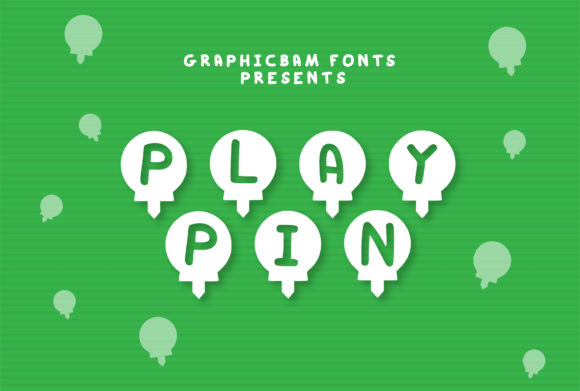
To evaluate whether Play Pin fits your workflow, one must first understand its typographic DNA. The font is characterized by a soft, pin-like quality in its letterforms, giving it a hand-drawn feel while maintaining the consistency required for digital production. It avoids the jagged edges of some brush scripts or the overly rigid geometry of geometric sans-serifs. Instead, it occupies a middle ground that feels organic and inviting.
- Visual Weight: The strokes generally maintain a consistent thickness, ensuring that text remains clear even when scaled down for mobile interfaces or small print runs.
- Personality: The design conveys a sense of creativity and playfulness. It is ideal for projects targeting families, children, educational content, or lifestyle brands that wish to appear friendly and accessible.
- Ligatures and Variations: Depending on the specific version used, the font may include alternate characters or ligatures that enhance flow in longer phrases, adding a layer of sophistication to the casual look.
This balance makes Play Pin particularly useful for headlines, logos, and short call-to-action buttons where emotional connection is key. However, its decorative nature means it is less suitable for body copy in long-form documents like white papers or technical manuals. Recognizing these boundaries is essential for maintaining a professional appearance.
Practical Applications Across Industries
The utility of Play Pin extends far beyond simple decoration. Its adaptability allows it to be integrated into diverse workflows, from freelance graphic design to corporate branding strategies. Below are several scenarios where this font demonstrates significant value.
Digital Design and User Interfaces
In the realm of web and app design, user experience is paramount. While Play Pin should not be used for navigation menus or instructional text, it excels as a display font for landing page hero sections. A well-placed headline using Play Pin can immediately set the tone for a creative agency portfolio or a community-focused blog. It breaks the monotony of standard corporate typefaces, signaling to the visitor that the content within is fresh and engaging.
Print Media and Greeting Cards
For hobbyists and small business owners involved in paper crafts, Play Pin is an excellent resource. The font's rounded edges translate beautifully to physical media, such as invitations, party favors, and holiday cards. When paired with textured paper or foil stamping, the letters take on a tactile quality that digital screens cannot replicate. The decorative elements add a personal touch that mass-produced templates often lack, allowing creators to offer bespoke products to their clients.
Presentation and Education
Educators and presenters often struggle to keep audiences engaged during long sessions. Using Play Pin for slide titles or key concept headers can help segment information visually. It draws the eye to important points without requiring aggressive formatting. For example, a teacher creating a worksheet for elementary students could use this font to make learning materials feel less like a textbook and more like a game. Similarly, entrepreneurs pitching to investors might use it sparingly to humanize their pitch deck, showing a culture of innovation and creativity.
Evaluating Quality and Usability
When selecting a typeface for commercial or serious professional use, reliability is just as important as style. Play Pin has been designed with modern standards in mind, which contributes to its usability in professional settings. The character set typically includes a robust range of glyphs, covering standard Latin characters and often extending to special symbols needed for design projects.
Consistency is a major factor here. In many decorative fonts, the spacing between letters (kerning) can be erratic, leading to awkward gaps or collisions that require manual adjustment. Play Pin generally handles spacing well out of the box, reducing the time a designer spends tweaking individual letter pairs. This efficiency is vital for freelancers and agencies working under tight deadlines.
Furthermore, the font performs well across different platforms. Whether you are exporting a PDF for print, embedding a web font via CSS, or using it in vector software like Adobe Illustrator, the rendering remains sharp. There is no pixelation or blurring at standard resolutions, which ensures that the final output looks polished regardless of the medium. This cross-platform reliability is a hallmark of high-quality font development and adds to the long-term value of the asset.
Strategic Considerations for Professionals
While Play Pin offers numerous advantages, it is not a universal solution. Successful implementation requires a strategic approach to design hierarchy. Overusing decorative fonts can lead to visual clutter and reduce the perceived credibility of a project. The key is restraint.
Consider the following guidelines when integrating Play Pin into your workflow:
- Pairing Strategy: To maximize impact, pair Play Pin with a neutral, highly readable font for body text. A clean sans-serif or a classic serif provides a stable foundation that allows the decorative header to shine without competing for attention.
- Brand Alignment: Ensure the font matches your brand voice. If you represent a financial institution, legal firm, or healthcare provider, Play Pin might clash with the necessary tone of trust and authority. Conversely, it is perfect for toy stores, cafes, event planning services, and creative studios.
- Accessibility: Always test your designs for accessibility. High contrast between the text and background is essential. Additionally, avoid using the font for critical information that users must read quickly, such as safety warnings or terms and conditions.
There are also potential limitations to consider. Because Play Pin is a specialized decorative font, it may not be included in default system libraries. This means you will likely need to purchase or download the license separately before using it in your projects. For organizations with strict IT policies regarding font installation, this could introduce minor friction. Additionally, if the font is not optimized for web performance, it could potentially slow down page load times if too many variants are loaded. Always check the file size and ensure you are only loading the weights you actually need.
Long-Term Value and Conclusion
In the context of a growing library of design assets, Play Pin represents a solid investment for those who value distinctive typography. It is not a fleeting trend but a functional tool that addresses a specific need: the desire for warmth and charm in visual communication. For marketers, bloggers, and educators, having a reliable decorative font can streamline the creation process and enhance the emotional resonance of their content.
The true worth of Play Pin is found in its flexibility. It adapts to the needs of the creator rather than forcing the creator to adapt to the font. Whether you are putting together a quick social media graphic or a comprehensive brand identity package, this font provides a consistent visual anchor. By understanding its strengths and respecting its limitations, professionals can leverage Play Pin to create work that is both aesthetically pleasing and strategically effective.
Ultimately, the decision to adopt Play Pin depends on your specific goals and audience. If your objective is to connect on a human level and stand out in a saturated market, this font offers a compelling path forward. It serves as a reminder that typography is more than just text; it is a powerful vehicle for storytelling and brand expression.