Christmas Day: A Strategic Pivot Point for Modern Creatives and Businesses
In the rapidly evolving landscape of digital design, marketing, and creative entrepreneurship, few dates command as much attention as Christmas Day. While traditionally viewed through a lens of cultural celebration and family gatherings, this specific date has transformed into a critical operational milestone for professionals across various sectors. For designers, marketers, and brand strategists, understanding the nuances of Christmas Day is not merely about observing a holiday; it is about leveraging a unique convergence of consumer behavior, technological adoption, and aesthetic trends that define the end-of-year quarter.
The significance of this day extends far beyond the exchange of gifts. It represents a peak moment in the global economy where consumer intent is at its zenith, and creative output must align perfectly with heightened emotional expectations. As we navigate an era defined by rapid technological shifts and changing lifestyle preferences, the approach to Christmas Day requires a sophisticated blend of tradition and innovation. This article explores how modern professionals can interpret this day not just as a static event, but as a dynamic force shaping industry standards and creative workflows.
The Evolution of Christmas Day in the Digital Age
Historically, Christmas was a time when commerce paused. Today, however, the narrative has shifted dramatically. The "Christmas Day" experience is now deeply intertwined with digital ecosystems, e-commerce platforms, and social media engagement. For entrepreneurs and freelancers, this shift means that the strategies employed during this period must be agile and forward-thinking. The traditional 9-to-5 workday often dissolves, replaced by a fluid schedule that accommodates the 24/7 nature of global connectivity.
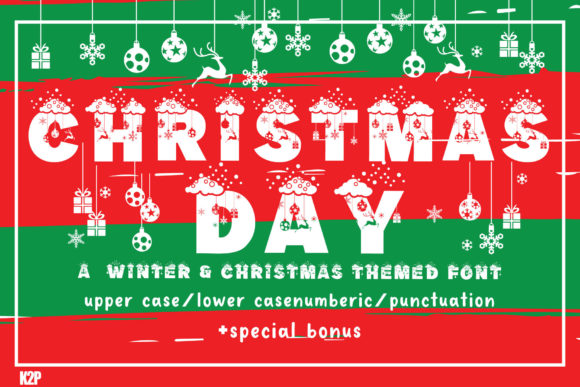
One of the most striking developments is the integration of festive aesthetics into professional branding. Companies are no longer content with generic holiday greetings. Instead, there is a demand for bespoke, high-fidelity visual identities that resonate on a personal level. This is where typography plays a pivotal role. The use of specialized fonts like Christmas Day—a thick lettered and incredibly unique decorative font designed specifically for the Christmas Holiday—has become a strategic asset for creators looking to stand out in a saturated market.
This font is not merely a stylistic choice; it is a communication tool. Its heavy weight and distinctive character set convey warmth, abundance, and authority simultaneously. In an environment where consumers are bombarded with thousands of messages daily, a typeface that commands attention while evoking nostalgia can be the deciding factor in user engagement. Professionals utilizing this font understand that their design choices directly influence brand perception and customer loyalty.
Why Designers Are Embracing Unique Typography
The trend toward custom typography reflects a broader desire for authenticity. Consumers today crave experiences that feel human and curated rather than mass-produced. When a brand uses a font like Christmas Day, which is thick lettered and incredibly unique, they signal a commitment to quality and attention to detail. This is particularly relevant for:
- Freelance Graphic Designers: Offering clients exclusive, thematic assets that differentiate their portfolios from standard template-based solutions.
- Marketing Agencies: Creating campaign materials that capture the festive spirit without relying on clichéd imagery.
- E-commerce Entrepreneurs: Enhancing product packaging and digital storefronts to increase perceived value during the gifting season.
The versatility of such a decorative font allows it to be used for various design ideas, particularly those related to the Christmas Holiday. Whether it is for a bold headline on a landing page, a personalized greeting card, or a limited-edition product label, the font's robust structure ensures legibility even at large scales, while its unique flair adds a touch of magic that standard sans-serif fonts cannot replicate.
Aligning Business Strategies with Seasonal Consumer Trends
For business leaders and strategists, Christmas Day serves as a barometer for the year's performance and a predictor of future trends. The way organizations prepare for this day reveals their adaptability and understanding of the modern consumer psyche. One of the most significant changes in recent years is the expectation of immediacy and personalization. Customers do not just want a gift; they want an experience that feels tailored to their specific needs and preferences.
This shift has necessitated a reevaluation of workflows and resource allocation. Traditional supply chains are being optimized for speed, while digital marketing campaigns are being segmented to target specific demographics with hyper-relevant messaging. The use of thematic elements, such as the aforementioned unique font, becomes part of a larger strategy to create a cohesive brand narrative that spans from email newsletters to physical packaging.
Furthermore, the technology sector has seen a surge in tools designed to facilitate this seasonal rush. AI-driven design assistants, automated scheduling platforms, and real-time analytics dashboards have become essential for managing the complexity of the holiday season. These tools allow professionals to maintain high standards of creativity without compromising efficiency. By integrating these technologies, businesses can ensure that their Christmas Day initiatives are executed flawlessly, meeting the elevated expectations of a tech-savvy audience.
Practical Applications for Creative Professionals
To stay ahead of the curve, professionals must adopt a proactive approach to planning. Here are several practical observations and examples of how to leverage the unique characteristics of the season:
- Develop Thematic Brand Guidelines: Create a temporary style guide for the holiday season that incorporates unique decorative elements. Using a font that is thick lettered and incredibly unique, such as Christmas Day, can serve as the cornerstone of this guide, ensuring consistency across all touchpoints.
- Focus on Emotional Storytelling: Move beyond transactional messaging. Use the visual language of the season to tell stories that connect with customers on an emotional level. The distinct look of holiday-specific typography can help anchor these narratives in a sense of tradition and joy.
- Optimize for Mobile First: With a significant portion of holiday shopping occurring on mobile devices, ensure that your designs remain impactful on smaller screens. The thickness of the letters in decorative fonts like Christmas Day ensures readability even on compact displays.
- Experiment with Interactive Elements: Combine static typography with dynamic web features. Imagine a website where the headline, rendered in a unique decorative font, responds to user interaction, creating an immersive experience that keeps visitors engaged.
The Future of Festive Commerce and Design
As we look toward the future, the relevance of Christmas Day will only continue to grow, driven by advancements in augmented reality (AR), virtual reality (VR), and artificial intelligence. The line between the physical and digital worlds is blurring, offering new opportunities for brands to engage with consumers in unprecedented ways. For instance, AR filters that overlay festive graphics onto the real world could incorporate the same unique typographic styles found in print, creating a seamless omnichannel experience.
Moreover, the sustainability movement is reshaping how the holiday season is approached. Consumers are increasingly conscious of the environmental impact of their purchases and the waste generated during celebrations. This has led to a rise in "green" marketing and sustainable design practices. Professionals who can combine the festive allure of unique typography with eco-friendly messaging will likely find themselves at the forefront of this emerging trend.
The ability to adapt to these changing needs, preferences, and workflows is what separates successful professionals from the rest. It requires a mindset that values continuous learning and experimentation. By embracing tools like the Christmas Day font—a thick lettered and incredibly unique decorative font that can be used for various design ideas, particularly those related to the Christmas Holiday—creatives can position themselves as innovators who understand the pulse of the market.
Conclusion: Leveraging Tradition for Innovation
Christmas Day remains a powerful symbol of unity, generosity, and celebration. However, for the modern professional, it is also a complex challenge that demands strategic thinking and creative excellence. By understanding the deeper implications of this date and how it fits into broader industry trends, businesses and creators can turn a seasonal event into a catalyst for growth and innovation.
The integration of unique design elements, such as fonts that are thick lettered and incredibly unique, offers a tangible way to express this understanding. It bridges the gap between tradition and modernity, allowing brands to honor the past while embracing the future. As the holiday season approaches, let us remember that the most successful strategies are those that balance the timeless appeal of Christmas with the cutting-edge capabilities of today's technology.
Whether you are a freelancer crafting a portfolio piece, a marketer launching a campaign, or an entrepreneur scaling a business, the lessons of Christmas Day are clear: adaptability, authenticity, and attention to detail are the keys to success. By focusing on these core principles and utilizing the right tools, professionals can ensure that their work resonates deeply with audiences, creating lasting impressions that extend well beyond the holiday itself.