Baby Koala: A Practical Embroidery Design for Modern Creators
In the crowded landscape of digital creative assets, finding a machine embroidery design that balances whimsical charm with professional versatility is often a challenge. The Baby Koala design emerges as a notable exception, offering a straightforward yet effective solution for those looking to add a touch of warmth to their textile projects. This piece is not merely a graphic; it is a functional redwork embroidery pattern designed to integrate seamlessly into various workflows, from high-volume production runs to personalized hobbyist gifts.
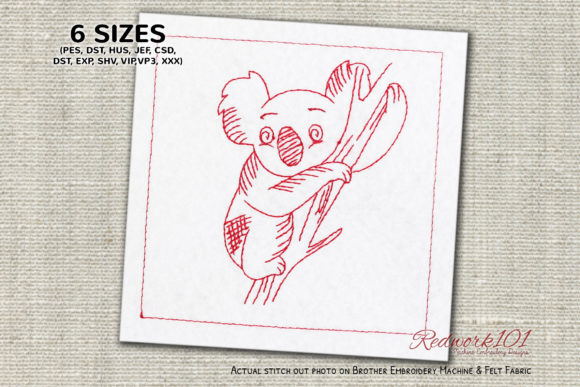
The core appeal of this design lies in its simplicity and adaptability. Rendered in a classic redwork style, the Baby Koala utilizes single-color stitching to create a clean, graphic look that works exceptionally well on both light and dark fabrics when paired with appropriate thread choices. Unlike complex multi-color designs that require extensive hooping changes and color stops, this pattern offers efficiency without sacrificing aesthetic value. It serves as an ideal accent piece, capable of elevating the visual impact of home decor items, casual wear like hoodies and jackets, and decorative pillows.
Design Characteristics and Technical Specifications
Understanding the technical structure of the Baby Koala design is essential for anyone planning to execute it on an embroidery machine. The pattern is built around a central motif of a koala, executed in a continuous stitch line that mimics the traditional redwork technique. This approach reduces the total stitch count compared to fully filled satin or fill stitches, which translates to faster run times and less strain on the fabric during the stitching process.
A critical feature of this specific design file is the inclusion of an optional Box Stitch. As observed in the reference imagery, the outer box is often rendered in a contrasting color to frame the character. However, the design architecture allows for significant flexibility regarding this element. Most modern embroidery software and machines permit users to skip specific colors directly within the interface. If the outer box does not align with your brand identity or the intended color palette of your project, you can easily exclude that color sequence. This capability ensures that the final output remains consistent with your vision, whether you are aiming for a monochromatic look or a bold, framed aesthetic.
The design comes packaged with multiple file formats, a crucial detail for compatibility across different hardware ecosystems. Whether you operate a domestic sewing machine, a commercial-grade unit, or a specialized digitizing setup, the availability of formats such as .dst, .pes, .exp, and others means you are unlikely to encounter conversion issues. This broad support system enhances the long-term utility of the asset, ensuring it remains usable even if your equipment needs to be upgraded or replaced.
Evaluating Usability and Workflow Integration
For professionals and small business owners, time is a currency more valuable than thread. The Baby Koala design demonstrates practical value by streamlining the production workflow. Its redwork nature minimizes the need for frequent needle changes or thread trims, allowing for smoother operation on automated loops. When applied to items like hoodies or jackets, where fabric thickness varies, the reduced density of the stitch pattern helps prevent puckering, a common issue with denser fills on heavy materials.
The design also excels in terms of presentation consistency. Because the lines are defined rather than filled, there is less variation in how the design appears under different lighting conditions or on different fabric textures. This reliability is vital for creators who need to maintain a uniform brand image across a collection of products. For instance, a boutique selling handmade goods can use this design on a series of decorative pillows, knowing that the outline will remain crisp and legible regardless of the fabric weave used.
However, usability extends beyond the machine itself. The decision-making process for the user involves selecting the right placement and stabilizer. While the design is forgiving, achieving the best results requires attention to the underlying material. On stretchy fabrics like jersey knits found in hoodies, a cut-away stabilizer is recommended to maintain the integrity of the design over time. Conversely, on woven home decor fabrics, tear-away stabilizers may suffice. Understanding these nuances separates a novice attempt from a professional finish.
Target Audience and Application Scenarios
The versatility of the Baby Koala design makes it relevant to a diverse range of users. Serious hobbyists will appreciate the ability to quickly produce personalized gifts. The cute, happy accent provided by the koala adds emotional resonance to items given to children or new parents. In this context, the design acts as a conversation starter, transforming a standard garment into a unique keepsake.
For entrepreneurs and marketers, particularly those in the lifestyle and parenting niches, this asset offers a low-risk entry point for product testing. Creating a small batch of embroidered hoodies or tote bags featuring the Baby Koala allows a brand to gauge customer interest without committing to expensive, complex custom digitizing fees. The design's neutral yet charming theme appeals to a broad demographic, making it a safe choice for inventory that targets general audiences.
Educators and makerspaces may also find value in this design due to its educational potential. The clear, open lines of the redwork style make it easier for beginners to follow the stitching path visually, serving as an excellent teaching tool for understanding stitch types and machine navigation. Furthermore, the ability to skip the box color provides an opportunity to teach students about customization and design modification, fostering creativity alongside technical skill.
Strengths, Limitations, and Real-World Performance
When analyzing the strengths of the Baby Koala design, the primary advantage is its balance between complexity and execution speed. It avoids the pitfalls of overly intricate designs that are prone to breaking threads or losing definition on smaller items. The design is robust enough to hold up to washing and wear, provided it is stitched correctly, which speaks to its effectiveness as a long-term asset.
Nevertheless, no design is without limitations. The redwork style, while elegant, relies heavily on the quality of the thread used. Low-quality polyester or rayon may appear dull or break easily, undermining the clean lines of the koala. Additionally, because the design lacks internal fill, it may appear flat on very large surfaces if not scaled appropriately. Users must consider the scale of the application; a tiny version might get lost on a large jacket back, while a larger version could overwhelm a small pocket area.
Another consideration is the reliance on the "optional" box. While skipping the color is technically simple, some users may find the design incomplete without it. This subjective preference highlights the importance of previewing the design in digitizing software before running a full production batch. The ability to adjust the box color or remove it entirely is a strength, but it requires the user to have a basic level of proficiency with their embroidery software to utilize effectively.
Strategic Value for Creative Professionals
In the broader context of content creation and product development, the Baby Koala design represents a tool that supports agility. For freelancers and publishers creating content around DIY crafts or parenting, having access to high-quality, versatile images and patterns is essential. This design fits naturally into tutorials, blog posts, and social media campaigns that focus on home improvement or personal expression.
The design's compatibility with multiple machines also supports scalability. A freelancer starting in a home studio can use a basic machine to fulfill orders, then move to a multi-head commercial machine for larger contracts without needing to re-digitize the artwork. This continuity protects the initial investment in the digital asset and ensures that the final product maintains its quality standards as the business grows.
Ultimately, the decision to incorporate the Baby Koala design into a project depends on the specific goals of the creator. If the objective is to produce fast, cost-effective, and visually appealing textile goods, this design delivers strong value. It offers a reliable foundation upon which to build a collection, provided the user pays attention to material selection and machine settings. By leveraging its flexible features, such as the removable box and multi-format support, creators can maximize the design's potential across various platforms and applications.
Whether you are a seasoned embroiderer looking to expand your portfolio or a marketer seeking a fresh angle for a seasonal campaign, the Baby Koala design stands out as a practical resource. Its combination of charm, technical efficiency, and adaptability makes it a worthy addition to any digital library of creative assets.