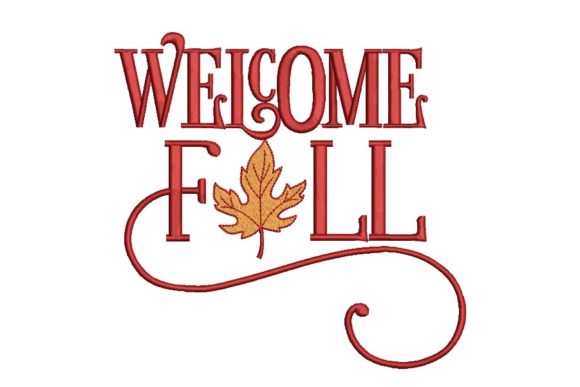
Welcome Fall
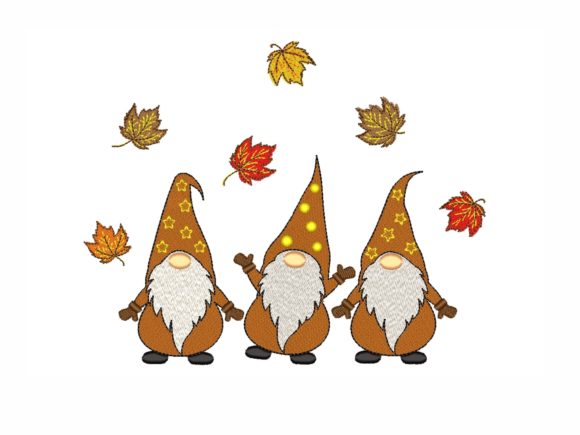
The crisp air, the changing leaves, and the cozy atmosphere of autumn are here. Welcome Fall isn't just a seasonal greeting; it is a creative invitation to transform your wardrobe and home decor with warmth and texture. This stunningly beautiful embroidery design captures the essence of the season, offering a versatile solution for anyone looking to add a touch of handmade charm to their projects. Whether you are a seasoned professional or a beginner eager to try machine embroidery, this design provides a perfect starting point for creating unique items.
However, while the idea of adding a "Welcome Fall" motif to your life sounds delightful, the execution requires attention to detail. Many creators rush into downloading and stitching without considering the technical nuances that separate a mediocre result from a masterpiece. Understanding the capabilities of your equipment and the specific requirements of the design file can save you time, thread, and frustration. Let's explore how to make the most of this design while avoiding common pitfalls that often lead to disappointing outcomes.
Selecting the Right File Format for Your Machine
One of the most frequent misunderstandings regarding digital embroidery designs involves file compatibility. The Welcome Fall design comes in multiple formats, which is a significant advantage, but it also presents a decision point that many overlook. A common mistake is assuming that all embroidery machines can read every file type without conversion. If you select the wrong format for your specific brand of machine—whether it is Brother, Janome, Bernina, or a generic USB-based model—you may face errors that prevent the design from stitching correctly.
This mismatch doesn't just waste your time; it can ruin expensive fabric or cause unnecessary wear on your machine's needle. Before you hit the download button, take a moment to check your machine's manual or manufacturer website to identify the supported file extensions. Instead of guessing, verify that the package includes the exact format your machine requires. By ensuring compatibility upfront, you guarantee a smooth workflow and allow the intricate details of the fall-themed pattern to shine through without technical interruptions.
Applying the Design to Various Fabrics
The versatility of this design allows it to decorate sweaters, jackets, tote bags, and decorative pillows. However, not all fabrics react to embroidery in the same way. A common error is attempting to stitch a complex design onto a loose-weave or highly stretchy material without proper stabilization. When working with soft materials like a knit sweater or a cotton tote bag, the tension of the embroidery threads can pull the fabric, causing puckering or distortion of the "Welcome Fall" text and imagery.
To avoid this, always assess the stability of your base material before stitching. For lightweight fabrics, use a cut-away stabilizer to provide a firm foundation that holds the stitches in place. For heavier items like denim jackets, a tear-away stabilizer might suffice, but testing on a scrap piece first is invaluable. Neglecting this step can lead to a finished product that looks unprofessional, with the design appearing wrinkled or uneven. Taking the extra few minutes to prepare your fabric properly ensures that the final presentation matches the beauty of the original design.
Understanding the Scale and Placement
Another area where creativity often outpaces practicality is the scale of the design. Because the Welcome Fall motif is so appealing, there is a temptation to place it as large as possible on a garment. While big designs can be striking, they are not always appropriate for every item. Placing an oversized embroidery on a small tote bag can overwhelm the canvas, making the bag look top-heavy and difficult to carry. Conversely, shrinking the design too much for a decorative pillow might lose the fine details that make the embroidery special.
Consider the intended use of the item. If you are creating a personalized gift, think about how the recipient will interact with the object. A design on a jacket should sit comfortably on the chest or back without restricting movement. On a pillow, it should complement the shape rather than dominate it. Always preview the design within your software at 100% size before committing to the hoop. This simple check prevents costly mistakes where the design is either too large to fit or too small to be noticed, ensuring that your effort results in a balanced and aesthetically pleasing piece.
Maximizing Thread Choices for Seasonal Vibes
The visual impact of your project relies heavily on thread selection. A common oversight is using standard white or black thread when the design calls for the rich, warm tones of autumn. To truly capture the spirit of the season, consider incorporating variegated threads or colors like burnt orange, deep red, mustard yellow, and forest green. Using the wrong color palette can make a beautifully stitched design feel flat and disconnected from its seasonal theme.
Experiment with different thread weights and types to add depth. Metallic threads can highlight the edges of leaves or pumpkins, adding a subtle shimmer that catches the light. However, be cautious with metallics, as they can break more easily if the tension is not adjusted correctly. Start with a test run on a scrap of your actual fabric to dial in the tension settings. This proactive approach ensures that the colors pop and the texture feels luxurious, elevating the overall quality of your creation.
Evaluating Quality Before You Buy or Download
In the digital marketplace, it is easy to get caught up in the allure of a low price or a flashy preview image. When evaluating a design like Welcome Fall, it is crucial to look beyond the surface. Check the stitch count and the complexity of the design. Extremely high stitch counts on small areas can lead to dense, stiff fabric that lacks drape, while very low counts might result in a sparse appearance that fails to cover the background fabric adequately.
Read reviews from other users who have purchased similar designs. Look for feedback regarding the accuracy of the digitization and the clarity of the instructions. A well-digitized design will include necessary trim commands and start/end points that streamline the process. Ignoring these details can lead to a frustrating experience where you spend hours troubleshooting issues that could have been avoided with a higher-quality source. By doing your due diligence, you ensure that you are investing in a tool that enhances your productivity and satisfaction.
Building a Sustainable Creative Workflow
Ultimately, the goal of using this embroidery design is to bring joy and creativity into your life. Whether you are selling handmade goods as a small business owner or creating gifts for family, the process should be enjoyable. Avoid the trap of rushing through steps to meet a deadline. Take the time to organize your files, label your spools of thread, and keep your machine maintained. A clean workspace and organized system contribute significantly to the quality of the final output.
By focusing on preparation, compatibility, and thoughtful execution, you can turn a simple digital file into a cherished physical object. The Welcome Fall design offers endless possibilities, but it is your attention to detail that brings those possibilities to life. Embrace the learning curve, learn from any missteps, and enjoy the process of transforming ordinary materials into extraordinary art. With the right approach, your next embroidery project will not only welcome the season but also celebrate your unique style and craftsmanship.