Hopid: Elevating Your Designs with Unique Detail
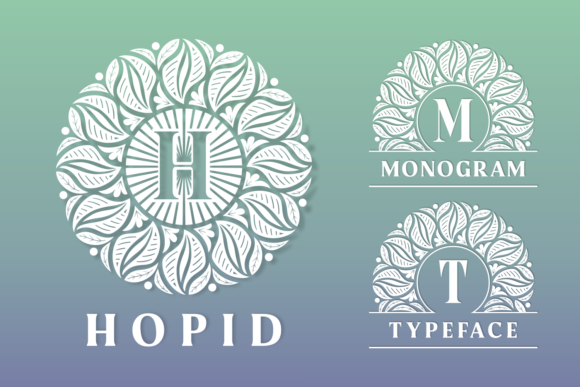
In a digital landscape saturated with generic typefaces, finding a voice that truly resonates requires more than just standard letterforms. You need something that commands attention without shouting. This is where Hopid steps in as a highly detailed and unique decorative font. It is not merely a collection of characters; it is an artistic tool designed to transform the way you communicate visually. Whether you are drafting a heartfelt personal message or curating a high-end brand identity, adding this ravishing looking font to each of your love letters, wedding invitations, or favorite design ideas will astound the outcome.
The value of Hopid lies in its ability to bridge the gap between traditional elegance and modern usability. Unlike many decorative fonts that sacrifice readability for style, Hopid maintains a sophisticated structure while offering intricate details that catch the eye. For professionals and creators who understand that typography is the foundation of visual communication, having access to such a distinct resource can significantly elevate the perceived quality of their work.
Understanding the Power of PUA Encoding
One of the most practical advantages of using Hopid is its technical architecture. Hopid is PUA encoded, which means you can access all glyphs and swashes with ease. This stands in stark contrast to many other specialty fonts that require complex plugin installations or proprietary software to function correctly. The Private Use Area (PUA) encoding allows these specialized characters to be embedded directly into standard documents and web projects without breaking compatibility.
For the busy freelancer or small business owner, this distinction is crucial. It eliminates the frustration of missing ligatures or broken special characters when sharing files across different devices. You no longer need to worry about whether a client has the specific font family installed on their machine if the file is properly embedded, as the PUA structure ensures stability. This technical robustness supports a smoother workflow, allowing you to focus on creativity rather than troubleshooting font rendering issues.
- Seamless Integration: Access special characters and alternate forms without external dependencies.
- Full Glyph Library: Utilize every swash and decorative element included in the design.
- Compatibility: Ensure your designs look consistent across various platforms and software versions.
Enhancing Emotional Communication Through Typography
Typeface selection is rarely accidental; it is a deliberate choice that sets the emotional tone of a message. When you add this ravishing looking font to each of your love letters, you are doing more than formatting text; you are curating an experience. The detailed flourishes and unique curves of Hopid evoke a sense of romance and care that standard sans-serif or serif fonts simply cannot replicate.
Consider the scenario of a wedding invitation suite. The invitation is often the first physical interaction a guest has with the event's aesthetic. Using a generic font might convey information efficiently, but it fails to set a mood. By incorporating Hopid, the invitation becomes a piece of art in itself, signaling the importance and uniqueness of the occasion. The intricate details invite the reader to slow down and appreciate the craftsmanship, mirroring the effort put into planning the event.
This principle extends beyond weddings to any form of personal correspondence. A thank-you note, a birthday greeting, or a creative portfolio introduction gains a layer of personality when Hopid is used. It signals to the recipient that the sender took extra time to ensure the presentation was perfect. In an era of instant messaging and disposable content, this level of attention to detail creates a lasting impression and strengthens the connection between the sender and the audience.
Practical Applications for Creative Professionals
While the font excels in personal projects, its utility extends powerfully into professional environments. Marketers and bloggers often struggle to balance branding consistency with visual interest. Standard body text needs to be legible, but headlines and pull quotes offer an opportunity to inject personality. Hopid serves as an excellent display font for these moments, drawing the eye to key messages without overwhelming the layout.
For educators and publishers, typography plays a role in engagement. Cover designs for books, educational materials, or course handouts can benefit from the distinctive character of Hopid. It helps differentiate content in a crowded marketplace. If you are designing a workshop brochure or a seminar flyer, using Hopid for the title can instantly communicate a theme of sophistication or artistic flair, depending on how it is paired with other elements.
Entrepreneurs launching lifestyle brands also find value here. A boutique selling handmade goods or a consultancy focusing on creative arts may find that their brand identity needs a touch of artisanal charm. Hopid provides that touch, allowing the brand to tell a story before the customer even reads the tagline. The result is a cohesive narrative where the visual language matches the product's value proposition.
Navigating Design Choices and Limitations
To get the most out of Hopid, it is important to apply it with intention. While it is a highly detailed and unique decorative font, overuse can detract from its impact. Like any powerful spice, it enhances the dish when used sparingly but can overwhelm the palate if applied too heavily. The best practice is to use Hopid for headlines, accents, or short phrases, while pairing it with a clean, neutral typeface for body text.
This approach ensures readability while still leveraging the font's decorative strengths. It also demonstrates a higher level of typographic literacy, showing that you understand the hierarchy of information. If you are comparing options for a new project, consider the specific context. If your goal is maximum legibility for long-form reading, Hopid might not be the primary choice. However, for titles, logos, or thematic elements, it offers a distinct advantage that few other fonts can match.
Situations where users should compare options include large-scale data visualization or technical documentation. In these cases, clarity trumps decoration. However, for marketing collateral, social media graphics, and print media where aesthetics drive engagement, Hopid shines. It simplifies decisions by providing a ready-made solution for projects that need a "wow" factor without requiring extensive graphic design skills.
Supporting Goals with Visual Impact
Ultimately, the goal of any design is to support the underlying objective, whether that is to inform, persuade, or entertain. Hopid facilitates this by providing a visual hook that captures attention immediately. When you add this ravishing looking font to each of your love letters, wedding invitations, or favorite design ideas, you are investing in the effectiveness of your communication.
The outcome is often surprising. Clients notice the difference. Guests remember the invitation. Readers pause at the headline. These small moments of engagement accumulate to build trust and credibility. By choosing a font that reflects thoughtfulness and style, you align your visual output with your professional standards. This alignment is essential for anyone looking to strengthen their reputation and deliver results that stand out.
Whether you are a hobbyist exploring new tools or a seasoned marketer refining a campaign, Hopid offers a versatile and reliable option. Its PUA encoding ensures technical reliability, while its unique aesthetic guarantees visual appeal. By integrating this font into your workflow, you empower yourself to create designs that are not only functional but also memorable. The path to better design often starts with a single, well-chosen element, and Hopid proves to be exactly that kind of element.