Dental: The Bold Typeface That Transforms Professional Branding
In a digital landscape saturated with uniform sans-serifs and predictable serif pairings, finding a typeface that commands immediate attention without sacrificing readability is a genuine challenge. Dental emerges as a thick lettered and incredibly unique decorative font designed specifically to cut through the noise. Whether you are designing a high-stakes magazine cover or organizing a community event for dentist appointments, this font offers a distinct visual identity that generic tools simply cannot replicate.
The name itself suggests a specific niche, yet its application extends far beyond the dental industry. Its robust structure and distinctive character make it a versatile asset for creators who need to convey strength, reliability, and a touch of playful authority. By integrating Dental into your workflow, you are not just selecting a font; you are adopting a design philosophy that prioritizes impact and clarity.
Understanding the Core Characteristics of Dental
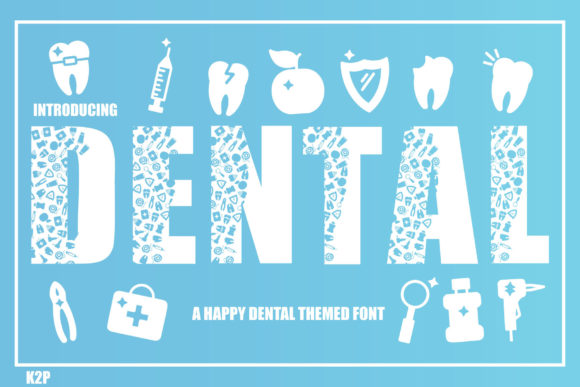
What sets Dental apart from standard display fonts is its structural integrity. It is not merely a bold version of a common typeface but a custom-designed entity with exaggerated proportions. The letters are thick, creating a solid block of ink that feels substantial on the page. This weight ensures that headlines grab the eye instantly, even from a distance or in low-resolution environments.
However, thickness alone does not guarantee success. The true magic lies in the unique detailing of each glyph. The curves are often softened while the straight lines remain rigid, creating a balance between approachability and professionalism. This duality makes it particularly effective for topics related to health and wellness, where trust is paramount, but the subject matter needs to feel modern and accessible rather than clinical and sterile.
Another defining feature is its PUA encoding. For designers who have struggled with limited character sets in other decorative fonts, this is a game-changer. PUA (Private Use Area) encoding allows access to all glyphs and swashes directly within your design software. You do not need to hunt for alternate characters in external libraries or worry about missing symbols when creating complex layouts. Everything you need to customize your text is right there in the font file, ready to be deployed with ease.
Why Thick Lettering Matters in Modern Design
The trend toward heavy typography has been growing steadily, driven by the need for mobile-first content. On small screens, thin lines can disappear or become illegible. Dental solves this problem by ensuring that your message remains clear regardless of the device. The thick strokes maintain their shape even when scaled down, preserving the brand's visual consistency across platforms.
Furthermore, heavy fonts create a psychological anchor. When a user sees a headline set in Dental, they subconsciously register the information as important. This is why it is so frequently used in editorial designs, such as magazine covers, where the goal is to stop the scroll and invite the reader in. The font acts as a visual hook, drawing the audience into the story before they even read the first word.
Practical Applications Across Industries
While the name might suggest a specialized use case, the versatility of Dental allows it to thrive in various sectors. Let us explore how professionals are leveraging this font to enhance their projects.
- Healthcare and Wellness: Dentists and orthodontists often struggle to find a font that balances medical authority with a friendly patient experience. Dental fits this niche perfectly. It conveys cleanliness and precision through its clean lines while the rounded edges suggest a comfortable, non-threatening environment. It is ideal for clinic signage, appointment cards, and promotional brochures.
- Publishing and Editorial: Magazine editors love Dental for cover lines and section headers. The font's ability to handle large point sizes without looking clumsy makes it a staple for print layouts. It adds a layer of sophistication that elevates the perceived value of the publication.
- Digital Marketing and Social Media: Content creators use this font to create eye-catching thumbnails and social media graphics. The high contrast between the thick letters and the background ensures that key messages pop out in crowded feeds. It is particularly effective for call-to-action buttons or special offer announcements.
- Educational Materials: Teachers and educators can utilize Dental to make learning materials more engaging. Worksheets, presentation slides, and classroom posters benefit from the font's clarity, making complex topics easier to digest for students.
Enhancing Brand Identity and Communication
For entrepreneurs and business owners, establishing a memorable brand identity is crucial. Dental provides a strong foundation for branding because of its uniqueness. Using a font that is not overused helps a business stand out in a crowded marketplace. When customers see your logo or marketing materials, the distinctiveness of the typography creates a lasting impression.
Effective communication also relies on tone. Dental carries a tone of confidence and stability. It tells the viewer that the business behind the text is established and reliable. This is essential for service-based industries where trust is the primary currency. By choosing a font that aligns with your brand values, you reinforce your message without saying a word.
Implementation and Best Practices
Using Dental effectively requires a strategic approach. While it is a powerful tool, it should not be overused. Decorative fonts work best when paired with simpler, more neutral typefaces. A common strategy is to use Dental for headlines and key phrases, while relying on a clean sans-serif or serif font for body text. This combination ensures that the design remains readable and professional.
When working with PUA encoded fonts, it is important to ensure that your software supports the encoding correctly. Most modern design applications like Adobe Illustrator, Photoshop, and InDesign handle PUA characters seamlessly. However, if you are using web technologies, you may need to implement custom CSS rules to ensure the swashes and alternate glyphs render correctly across different browsers.
Consider the context of your project carefully. If you are designing a formal legal document or a technical manual, Dental might be too informal. Reserve it for projects where creativity and impact are desired. Test your designs in black and white to ensure the legibility holds up without the aid of color. This will help you refine the spacing and sizing before finalizing the layout.
Maximizing Efficiency with Swashes and Alternates
One of the standout features of Dental is the availability of swashes and alternate glyphs. These elements allow designers to add flair to specific words or initials without changing the entire font family. For example, adding a swash to the capital 'D' in a logo can give it a dynamic, flowing look that suggests movement and energy.
This level of customization enhances the creative process. Instead of searching for clipart or illustrations to add interest, you can achieve a unique look entirely through typography. This not only streamlines the workflow but also keeps the design cohesive. The result is a polished, professional finish that demonstrates attention to detail.
Ultimately, Dental is more than just a font; it is a solution for designers and marketers seeking to make a statement. Its thick lettering, unique character, and comprehensive glyph set make it an invaluable addition to any toolkit. Whether you are launching a new dental practice, designing a magazine cover, or revamping a website, this font offers the flexibility and impact needed to succeed in today's competitive environment.
By understanding its strengths and applying it thoughtfully, you can transform ordinary designs into extraordinary experiences. The key is to let the font speak for itself while ensuring that the overall message remains clear and compelling. With Dental, the possibilities for creative expression are truly limitless.