Celebrating Heritage: The Art of African Woman Embroidery Designs
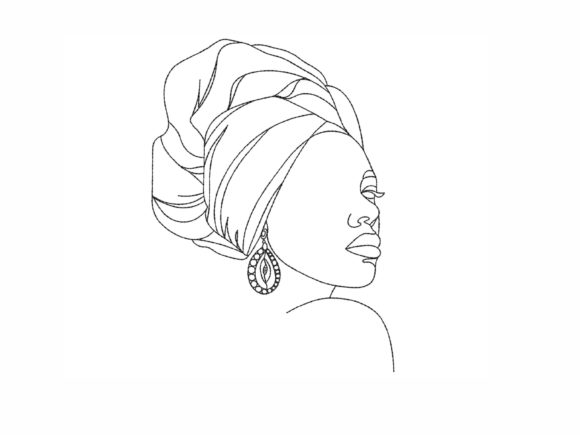
When you are looking to add a touch of soul and depth to your sewing projects, few subjects resonate as deeply as the African Woman. This beautiful embroidery of an African American woman is not just a pattern; it is a celebration of culture, strength, and timeless elegance. Whether you are a seasoned machine embroiderer or someone just starting to explore the world of custom apparel, incorporating this design can transform a simple piece of fabric into a statement of identity.
The versatility of these designs makes them a favorite among crafters who value both aesthetics and practicality. From adding character to home decor to creating meaningful gifts, the possibilities are endless. Let's dive into why this specific motif has become a staple in modern crafting and how you can best utilize it in your own creative workflow.
The Power of Cultural Representation in Textile Arts
In the realm of textile arts, imagery matters. Choosing to stitch an image of an African Woman brings a narrative of resilience and beauty that transcends mere decoration. For many creators, the act of stitching is about more than just filling space with thread; it is about telling a story. When you choose this design, you are acknowledging the rich heritage and diverse experiences of Black women.
This is particularly relevant in today's market, where consumers are increasingly seeking products that reflect authenticity and inclusivity. A pillow featuring this embroidery becomes a conversation starter in a living room. A tote bag adorned with the same design becomes a daily reminder of pride for its owner. The design captures a sense of grace and dignity that fits seamlessly into various styles, from traditional folk art aesthetics to contemporary minimalist decor.
Furthermore, the detailed nature of these digital files allows for incredible texture. The threads can mimic the softness of skin, the intricacy of hair, and the vibrancy of clothing often depicted in the artwork. This level of detail ensures that the final product feels premium and handcrafted, elevating the perceived value of whatever item you create.
Adapting the Design for Different Projects
One of the most compelling aspects of this machine embroidery design is its adaptability. Because the file is optimized for multiple formats, you are not limited to a single type of project. You can approach your work with a variety of end goals in mind:
- Apparel and Fashion: Imagine a denim jacket with the African Woman embroidered on the back panel, or a subtle placement on the chest of a linen shirt. The design adds a unique flair that mass-produced clothing simply cannot match. It turns everyday wear into wearable art.
- Home Decor: Pillows are perhaps the most popular application. A set of decorative pillows featuring different cultural motifs can tie a room together. Placing this design on a throw blanket or a wall hanging creates a focal point that draws the eye immediately.
- Gift Giving: In a world of generic presents, handmade items hold immense value. Gifting a tote bag, a scarf, or a framed piece of fabric with this embroidery shows thoughtfulness and effort. It is a gift that honors the recipient's background or simply celebrates their appreciation for fine craftsmanship.
Technical Versatility and Machine Compatibility
For the modern crafter, convenience is key. One of the standout features of this design package is that it comes with multiple embroidery file formats. This technical flexibility addresses a common pain point in the industry: compatibility issues between different brands of embroidery machines.
Whether you are using a Brother, Janome, Bernina, Tajima, or a hobbyist machine like those from Singer or Husqvarna Viking, having access to various file types (such as .dst, .pes, .exp, .jef, etc.) ensures that you can start stitching immediately without needing to convert files or worry about software errors. This saves time and reduces frustration, allowing you to focus on the creative process rather than technical troubleshooting.
The design is also engineered to perform well across different hoop sizes and stitch counts. This means you can scale the image up for a large banner or down for a delicate accessory without losing the integrity of the lines. The color separation within the design is typically handled efficiently, ensuring that the transition between shades is smooth and the final result looks polished, regardless of the thread count used.
Choosing the Right Materials for Success
To truly bring out the beauty of the African Woman embroidery, selecting the right materials is crucial. While the digital file provides the blueprint, the physical execution depends on your choice of fabrics and threads.
- Fabric Selection: Natural fibers like cotton, linen, and silk offer a classic look and allow the stitches to sit beautifully on the surface. However, for apparel that needs durability, blends with polyester can be excellent choices. If you are working with stretchy knits, ensure you use a stabilizer that prevents puckering, which can distort the facial features of the design.
- Thread Quality: High-quality rayon or polyester threads are recommended. Rayon offers a high sheen that highlights the curves and details of the face, while polyester is known for its durability and fade resistance. Experimenting with variegated threads can add a dynamic element, especially if you want to emphasize the colors in the subject's attire.
- Stabilization: Never underestimate the power of a good stabilizer. For this type of detailed portrait, a cut-away stabilizer is often preferred because it provides permanent support, preventing the fabric from shifting during the stitching process. This ensures that the final image remains crisp and true to the original artwork.
Integrating Traditional Craft with Modern Trends
The intersection of traditional embroidery techniques and modern design trends is where magic happens. Today's aesthetic values a mix of the old and the new. An African Woman embroidery design bridges this gap perfectly. It honors the history of African textiles while fitting into the clean lines and bold statements of contemporary interior design.
Consider the trend of "slow fashion." As people move away from fast, disposable clothing toward garments that last longer and have more meaning, embroidered pieces gain significant traction. By stitching this design onto a high-quality garment, you are participating in a movement that values quality over quantity. The design serves as a lasting mark of the maker's intent and skill.
In the realm of interior design, there is a growing demand for art that reflects diverse cultures. Homeowners and designers are actively seeking pieces that break away from Eurocentric norms. A large-scale embroidery of an African American woman can serve as a stunning alternative to a framed print. It adds texture and dimension that a flat image cannot achieve, making the space feel warmer and more inviting.
Common Considerations Before You Start Stitching
Before you load your hoop, there are a few practical factors to consider to ensure a successful outcome. First, always test the design on a scrap piece of the same fabric you plan to use for the final project. This helps you gauge the tension, the amount of underlay needed, and how the fabric reacts to the needle penetration.
Second, think about the finishing touches. Will you frame the embroidery? If so, leave extra margin around the design for mounting. If you are attaching it to a pillow or a bag, consider how the edges will be finished. Overlocking or binding the edges can give the piece a professional, store-bought look. Additionally, if you are using this for commercial purposes, such as selling t-shirts or home goods, ensure you understand the licensing terms associated with the digital file.
Finally, take your time. Embroidery is a meditative process. The African Woman design, with its intricate details, rewards patience. Rushing through the layers can lead to skipped stitches or uneven coverage. Embrace the rhythm of the machine and let the design unfold stitch by stitch.
Making Your Mark with Every Stitch
Ultimately, using this embroidery design is about connection. It connects you to a broader cultural narrative, connects your creation to the people who will use or display it, and connects you to the long lineage of artisans who have used needle and thread to preserve history. The beauty of the African Woman lies not just in the visual representation but in the spirit behind the creation.
Whether you are creating a one-of-a-kind heirloom or a batch of custom gifts for a local boutique, this design offers a reliable and impactful solution. Its ability to fit into various workflows, combined with its broad appeal, makes it an essential addition to any digital library of embroidery patterns. So, gather your threads, prepare your hoops, and get ready to bring this beautiful character to life on your next project.
The result will be more than just a stitched image; it will be a testament to the enduring power of art and the joy of creating something meaningful with your own hands. As you navigate your creative journey, remember that every stitch adds to the story, and choosing to feature an African Woman ensures that story is one of pride, beauty, and unshakeable strength.